Meningococcal disease is a serious bacterial illness. It is a leading cause of bacterial meningitis in children 2 through 18 years old in the United States. Meningitis is an infection of the fluid surrounding the brain and spinal cord. Meningococcal disease also causes blood infections.
About 1,000 – 2,600 people get meningococcal disease each year in the U.S. Even when they are treated with antibiotics, 10-15% of these people die. Of those who survive, another 11-19% lose their arms or legs, become deaf, have problems with their nervous systems, become mentally retarded or suffer seizures or strokes.
Anyone can get meningococcal disease. But it is most common in infants less than one year of age and people with certain medical conditions, such as lack of a spleen. College freshmen who live in dormitories and teenagers 15-19 have an increased risk of getting meningococcal disease.
Meningococcal infections can be treated with drugs such as penicillin. Still, about 1 out of every ten people who get the disease dies from it and many others are affected for life. This is why preventing the disease through use of meningococcal vaccine is important for people at high risk.
The above information was obtained from the US Centers for Disease Control and Prevention. As stated, they recommend a vaccine in order to prevent this disease. However, with each vaccine (recommended or not), they come with a potential risk to you or your loved one.
Let’s look at what they believe are the potential adverse reactions that they “recognize” and publish in the VIS, Vaccine Information Statement.
They say, “A vaccine, like any medicine, could possibly cause serious problems, such as severe allergic reactions. The risk of meningococcal vaccine causing serious harm, or death, is extremely small.”
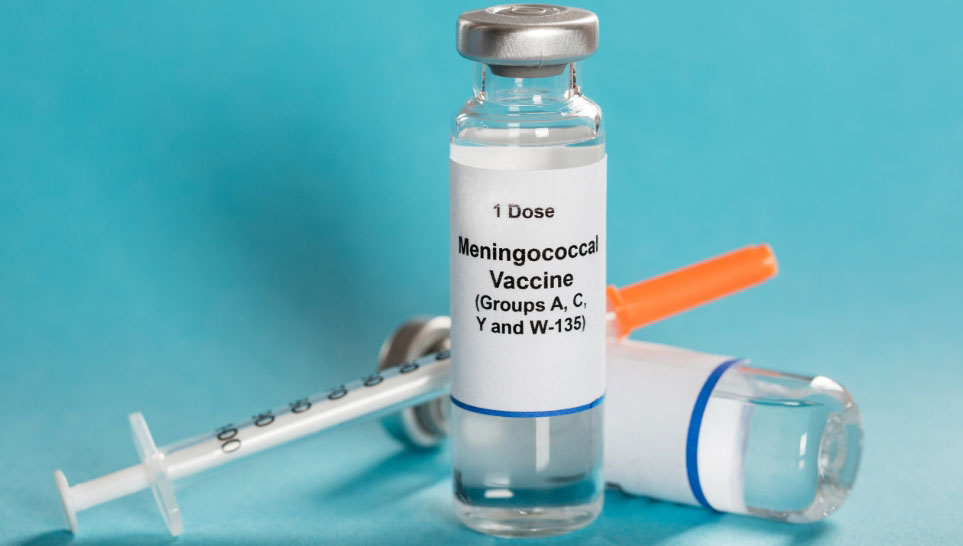
With this disease, there are 2 vaccines available in the US: the MCV4 and MPSV4.
The Meningococcal conjugate vaccine (MCV4) was licensed in 2005. It is the preferred vaccine for people 2 through 55 years of age. The other, the Meningococcal polysaccharide vaccine (MPSV4) has been available since the 1970s. It may be used if MCV4 is not available and is the only meningococcal vaccine licensed for people older than 55.
Mild problems that they “recognize” with each of these are as follows: They claim as many as half the people who get meningococcal vaccines have mild side effects such as redness or pain where the shot was given. If these problems occur, they usually last for 1 or 2 days. They are more common after MCV4 than after MPSV4. A small percentage of people who receive the vaccine develop a fever.
Severe problems include a serious allergic reactions that may appear within a few minutes to a few hours of the shot and they claim they are very rare. Another very serious problem noted with these vaccinations is a serious nervous system disorder called Guillain- Barré Syndrome (or GBS), which has been reported among some people who received MCV4. In dispute of this reaction, the CDC believes that this happens so rarely that it is currently not possible to tell if the vaccine might be a factor. Even if it is, the risk is very small.
The above reactions are the only ones listed on the VIS, however according to recent literature, not only has there been a link to autoimmune disorders such as GBS, but there has also been a link to nerve damage. It’s important to know that just because the above reactions are the only “recognized” ones, this doesn’t mean the VIS is conclusive. It has been proven there are other possible adverse reactions.