

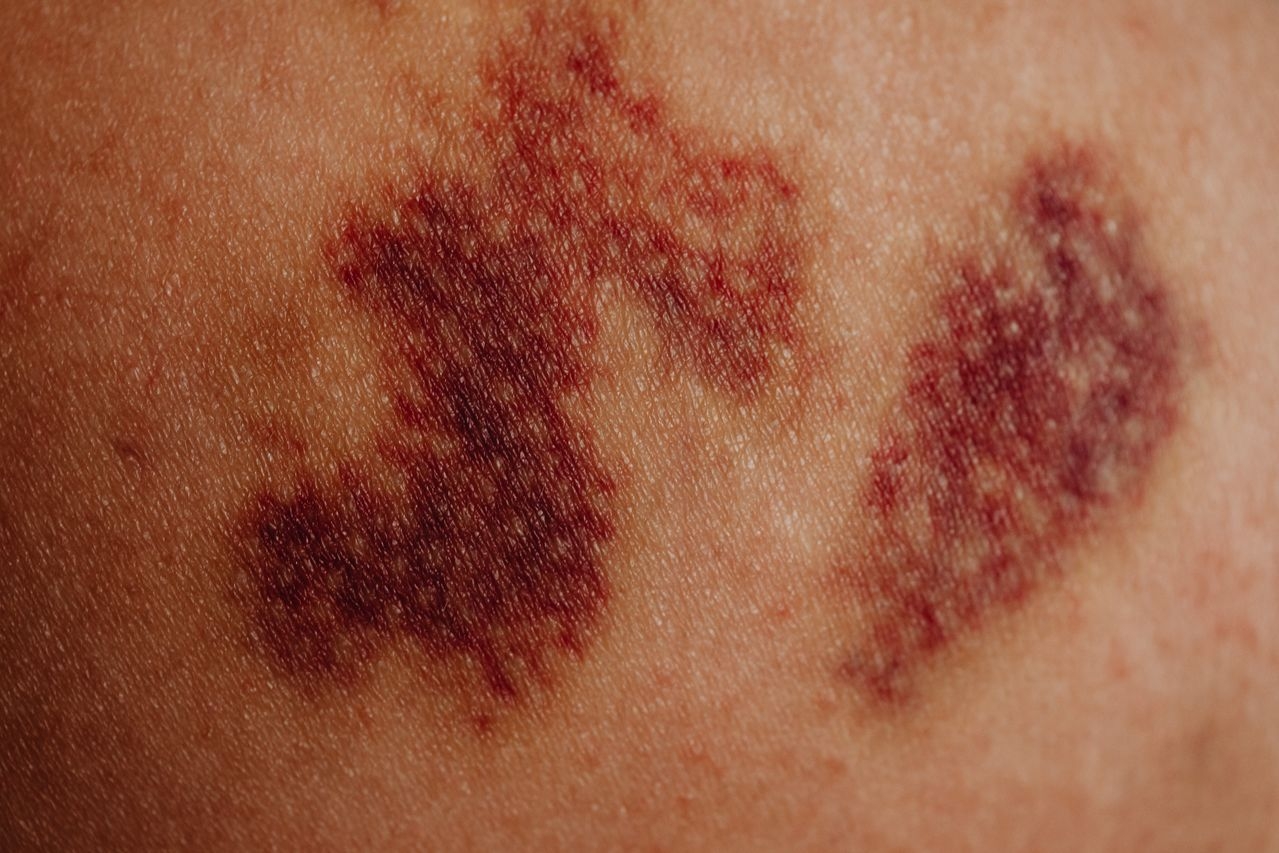
Unexplained bruising, frequent nosebleeds, or tiny red or purple spots on the skin may be more than minor symptoms. In some cases, they can indicate a rare blood disorder known as immune thrombocytopenia (ITP), a condition that causes the body's immune system to destroy platelets needed for normal blood clotting.
Although ITP can develop for several reasons, researchers have identified a possible association between certain vaccinations and the condition, particularly the measles, mumps, and rubella (MMR) vaccine. For families affected by ITP following vaccination, understanding the condition, its symptoms, and the potential legal options available may be an important step toward seeking answers.
What Is ITP?
Immune thrombocytopenia, historically known as idiopathic thrombocytopenic purpura, is an immune-mediated bleeding disorder characterized by an abnormally low platelet count.
Platelets are small blood cells that help the body form clots to stop bleeding. When the immune system mistakenly attacks and destroys these cells, the body may have difficulty controlling bleeding after an injury. In some cases, bleeding can occur spontaneously.
ITP can affect both children and adults. Some cases are temporary and resolve over time, while others may persist and require ongoing medical monitoring or treatment.
The severity of the condition varies. Some individuals experience only mild symptoms, while others may develop significant bleeding complications that require urgent medical attention.
What Are the Signs and Symptoms of ITP?
Because platelets play an essential role in blood clotting, many ITP symptoms involve unusual bruising or bleeding. Some people may have few noticeable symptoms, while others experience more obvious warning signs.
Common symptoms include:
- Easy bruising: Bruises may appear without a clear injury or seem larger than expected.
- Petechiae: Tiny red or purple spots on the skin caused by bleeding beneath the surface.
- Purpura: Larger areas of purple discoloration associated with bleeding under the skin.
- Frequent nosebleeds: Nosebleeds that occur repeatedly or are difficult to stop.
- Bleeding gums: Bleeding that may occur during brushing or without an obvious cause.
- Blood in urine or stool: A possible sign of internal bleeding that requires medical evaluation.
- Unusually heavy menstrual bleeding: Menstrual periods may become heavier or last longer than usual.
In rare cases, ITP can lead to serious internal bleeding, including bleeding in the brain. Severe headaches, neurological changes, or significant bleeding require immediate medical attention.
Anyone experiencing unexplained bruising or unusual bleeding should consult a healthcare professional. A blood test measuring platelet levels can help doctors evaluate whether ITP or another condition may be responsible.
Is There a Connection Between ITP and Vaccination?
ITP has been associated with certain infections, including viral illnesses, and research has also identified a possible relationship between the condition and some vaccines.
The MMR vaccine has received particular attention in studies examining ITP in children. In a small number of cases, symptoms have developed within several weeks of vaccination.
A study published in 2001 in Archives of Disease in Childhood examined ITP cases among young children following MMR vaccination. The findings contributed to the scientific understanding of a possible association between the vaccine and short-term ITP.
The timing of symptoms is an important consideration when evaluating a potential vaccine-related injury. However, symptoms appearing after vaccination do not automatically establish that the vaccine caused the condition. Medical professionals must consider other potential causes, the patient's medical history, laboratory results, and the timing of the diagnosis.
ITP can also occur following infections and without an identifiable trigger. Each case requires an individualized medical assessment.
Which Vaccines Have Been Examined in Connection With ITP?
Although the MMR vaccine is one of the most frequently discussed vaccines in relation to ITP, researchers have also examined reports involving other vaccines, including varicella (chickenpox), hepatitis A, and human papillomavirus (HPV) vaccines.
The strength of the available evidence varies by vaccine, and reports of an adverse event do not necessarily establish causation.
For families evaluating a possible vaccine injury, it is important to document which vaccine was administered, when symptoms first appeared, when ITP was diagnosed, and what other medical conditions or potential triggers were present.
These details can help medical professionals evaluate the patient's condition and may also be relevant when determining whether a vaccine injury compensation claim is available.
How Is ITP Diagnosed and Treated?
Doctors typically evaluate suspected ITP by reviewing the patient's medical history, examining symptoms, and ordering blood tests to measure platelet levels.
Additional testing may be recommended to rule out other conditions that can cause low platelet counts. The appropriate evaluation depends on the patient's symptoms, medical history, and clinical findings.
Treatment varies according to the severity of the condition, the platelet count, the patient's age, and the risk of bleeding. Some individuals with mild ITP may only need regular monitoring. Others may require medication or additional medical interventions to increase platelet levels and reduce the risk of complications.
Treatment options may include corticosteroids, intravenous immunoglobulin (IVIG), and other therapies designed to reduce platelet destruction or increase platelet production.
Because ITP can vary significantly from one patient to another, treatment decisions should be made with a qualified healthcare professional.
Can ITP Qualify for Vaccine Injury Compensation?
For families whose ITP diagnosis followed vaccination, a common question is whether compensation may be available.
The National Vaccine Injury Compensation Program (VICP) is a federal program that provides compensation for certain injuries associated with covered vaccines. Claims are evaluated under specific legal and medical standards, and eligibility depends on the vaccine received, the diagnosis, the timing of symptoms, and the evidence supporting the claim.
Thrombocytopenic purpura is addressed in the federal Vaccine Injury Table under defined criteria, including specific clinical findings and platelet-count requirements. Whether a particular case meets those criteria depends on the medical evidence and applicable requirements.
Some claims may qualify under the Vaccine Injury Table if the required conditions and timeframes are satisfied. Other claims may need to establish causation through additional medical and scientific evidence.
A diagnosis of ITP following vaccination does not automatically guarantee compensation. However, families should not assume that a claim is unavailable simply because the circumstances are complex or the connection is disputed.
What Should Families Do if They Suspect a Vaccine-Related Injury?
If you or your child has been diagnosed with ITP following vaccination, there are several steps that may help clarify the medical circumstances and preserve information relevant to a potential claim.
- Seek appropriate medical care. Unusual bruising or bleeding should be evaluated by a healthcare professional, particularly if symptoms are severe or worsening.
- Maintain medical records. Keep copies of blood test results, treatment records, vaccination records, and the documented date when symptoms first appeared.
- Create a timeline. Record the vaccination date, the onset of symptoms, the date of diagnosis, and significant medical developments.
- Understand the filing deadline. VICP claims generally have a three-year filing deadline measured from the first symptom or manifestation of the vaccine-related injury. Specific circumstances can affect how the deadline applies, so prompt legal guidance is important.
- Consider a legal review. An attorney experienced in vaccine injury claims can review the medical history, applicable program requirements, and potential paths to compensation.
Taking these steps does not guarantee a successful claim, but organized medical documentation can be important when evaluating eligibility and causation.
How Sadaka Law Can Help With an ITP Vaccine Injury Claim
An ITP diagnosis can create uncertainty for individuals and families, especially when the condition develops after vaccination, and the cause is not immediately clear.
At Sadaka Law, we understand that vaccine injury claims can involve complex medical evidence, detailed timelines, and specific federal compensation requirements. Our firm helps individuals evaluate potential vaccine injury claims and understand the legal options that may be available based on their circumstances.
If you or your child developed ITP after vaccination, our team can review the relevant medical history and help determine whether a claim may qualify for compensation through the VICP.
Contact the Vaccine Injury Help Center today to discuss your concerns and learn whether you or your child may qualify for vaccine injury compensation.
Disclaimer: The articles on this blog are for informational purposes only and are no substitute for legal advice or an attorney-client relationship. If you are seeking legal advice, please contact the Vaccine Injury Help Center directly.