

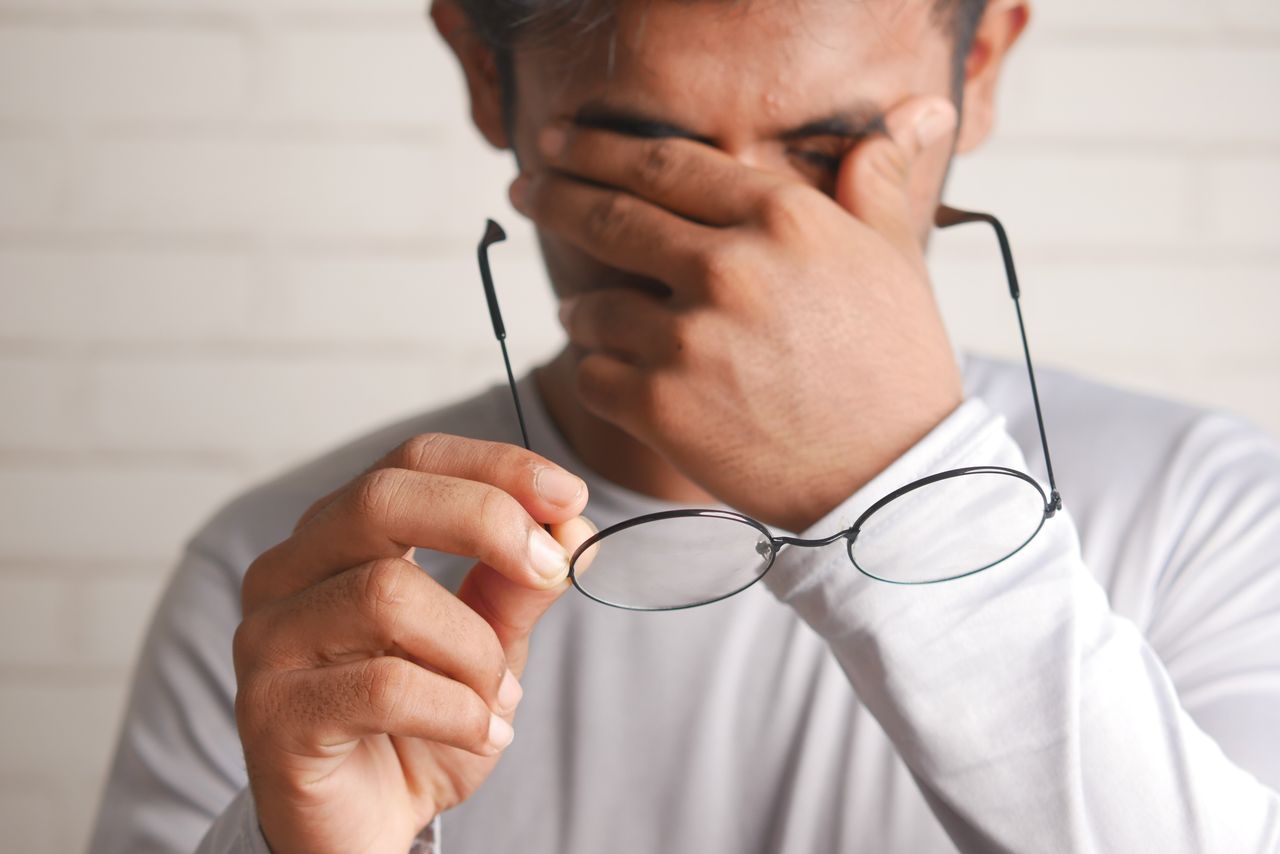
Vision changes can be frightening, especially when they happen suddenly. For some individuals, blurred vision, eye pain, or unexpected vision loss may be signs of a condition called optic neuritis.
Optic neuritis occurs when the optic nerve becomes inflamed. Because this nerve carries visual information from the eye to the brain, inflammation can interfere with vision and, in some cases, cause lasting damage.
Although optic neuritis has several possible causes, including infections, autoimmune conditions, and neurological disorders, researchers have also examined whether immune responses following vaccination may play a role in certain cases.
Understanding the symptoms, potential causes, and available legal options can help individuals make informed decisions about their health and their rights.
What Is Optic Neuritis?
The optic nerve acts as a communication pathway between the eyes and the brain. When this nerve becomes inflamed, the condition is known as optic neuritis.
The inflammation can damage the protective covering around nerve fibers, disrupting the signals responsible for vision.
Optic neuritis often affects one eye, although both eyes can sometimes be involved. Some individuals experience temporary vision changes and recover over time, while others may experience lasting vision impairment.
The condition is also associated with multiple sclerosis (MS) and can sometimes be one of the earliest signs of an underlying neurological condition.
What Are the Symptoms of Optic Neuritis?
Symptoms can develop over several hours or days and may vary depending on the severity of the inflammation.
Common symptoms include:
- Eye pain: Pain or discomfort behind the eye, particularly when moving the eye.
- Blurred or reduced vision: Vision may become noticeably weaker in the affected eye.
- Changes in color perception: Colors may appear faded, dull, or less vibrant than usual.
- Loss of peripheral or central vision: Some individuals experience blind spots or difficulty seeing certain areas.
- Flashing lights: Some people notice flickering or flashing sensations, particularly when moving their eyes.
Symptoms should never be ignored. Sudden vision loss requires immediate medical attention, and other new changes in eyesight should be evaluated promptly, as some causes can lead to permanent damage.
Can Vaccines Cause Optic Neuritis?
The relationship between vaccination and optic neuritis is an area that requires careful medical evaluation.
Optic neuritis can develop for several reasons, including autoimmune conditions, infections, and other inflammatory processes. In some reported cases, symptoms have developed following vaccination, raising questions about whether an immune response may have contributed to the inflammation.
However, developing optic neuritis after receiving a vaccine does not automatically establish that the vaccine caused the condition.
Establishing a connection requires an individualized review of the medical evidence, including the timing of symptoms, medical history, diagnostic findings, and other potential causes.
Vaccines that have been discussed in connection with reported cases include:
- Hepatitis B
- Pertussis-containing vaccines
- Human papillomavirus (HPV)
- Measles, mumps, and rubella (MMR)
Available research has not established that these vaccines cause optic neuritis.
How Is Optic Neuritis Diagnosed and Treated?
Diagnosing optic neuritis typically involves a comprehensive eye examination and, in some cases, additional neurological testing.
Doctors may use:
- Vision testing: Evaluates visual sharpness, color perception, and peripheral vision.
- MRI scans: Help identify inflammation and investigate possible underlying neurological conditions, including MS.
- Optical coherence tomography (OCT): Measures the layers of the retina and can help identify changes associated with optic nerve damage.
- Blood tests: May help identify infections, autoimmune conditions, or other potential causes.
Treatment depends on the underlying cause and severity of the condition.
Some individuals recover without specific treatment, while others may receive corticosteroids to reduce inflammation and speed up visual recovery. Additional treatments may be considered when optic neuritis is associated with an underlying autoimmune or neurological condition.
Early medical evaluation is important to help identify the cause and determine the appropriate treatment.
Can You Receive Compensation for Optic Neuritis After a Vaccine?
For individuals who believe they developed optic neuritis following vaccination, there may be legal options worth exploring.
The National Vaccine Injury Compensation Program (VICP) is a federal program designed to compensate individuals who demonstrate that they were injured by certain covered vaccines.
A person does not automatically qualify for compensation simply because optic neuritis developed after vaccination. The claim must meet the applicable legal and medical eligibility requirements.
Some vaccine injury claims involve conditions listed in the Vaccine Injury Table, which provides specific criteria for certain injuries. Other claims may be considered outside the table, requiring additional evidence to establish that the vaccine caused the injury.
Optic neuritis is not specifically listed on the Vaccine Injury Table, meaning individuals pursuing compensation generally need to establish that a covered vaccine caused their condition.
What Should You Do If You Suspect a Vaccine-Related Injury?
If you develop optic neuritis after receiving a vaccination, consider taking the following steps:
- Seek medical attention. Have your symptoms evaluated by an ophthalmologist or appropriate medical specialist.
- Keep your medical records. Maintain copies of eye examinations, MRI results, treatment records, and diagnostic reports.
- Document the timeline. Record when you received the vaccination, when symptoms began, and how your condition progressed.
- Understand your legal options. Speak with an attorney experienced in vaccine injury claims to determine whether you may qualify for compensation.
Documentation can be particularly important when evaluating whether a medical condition may be connected to a vaccination.
How Sadaka Law Can Help With a Potential Vaccine Injury Claim
Experiencing vision loss or other complications can have a significant impact on your daily life, work, and independence.
If you believe you developed optic neuritis following a vaccination, you may have questions about whether you qualify for compensation through the National Vaccine Injury Compensation Program.
At Sadaka Law, we help individuals and families navigate the complicated vaccine injury claims process. Our team at the Vaccine Injury Help Center can review the circumstances surrounding your injury, help you understand the applicable legal requirements, and discuss your potential options.
Diagnosed with optic neuritis after receiving a vaccination? Contact the Vaccine Injury Help Center to discuss your circumstances and learn more about your legal options.
Disclaimer: The articles on this blog are for informational purposes only and are no substitute for legal advice or an attorney-client relationship. If you are seeking legal advice, please contact the Vaccine Injury Help Center directly.