

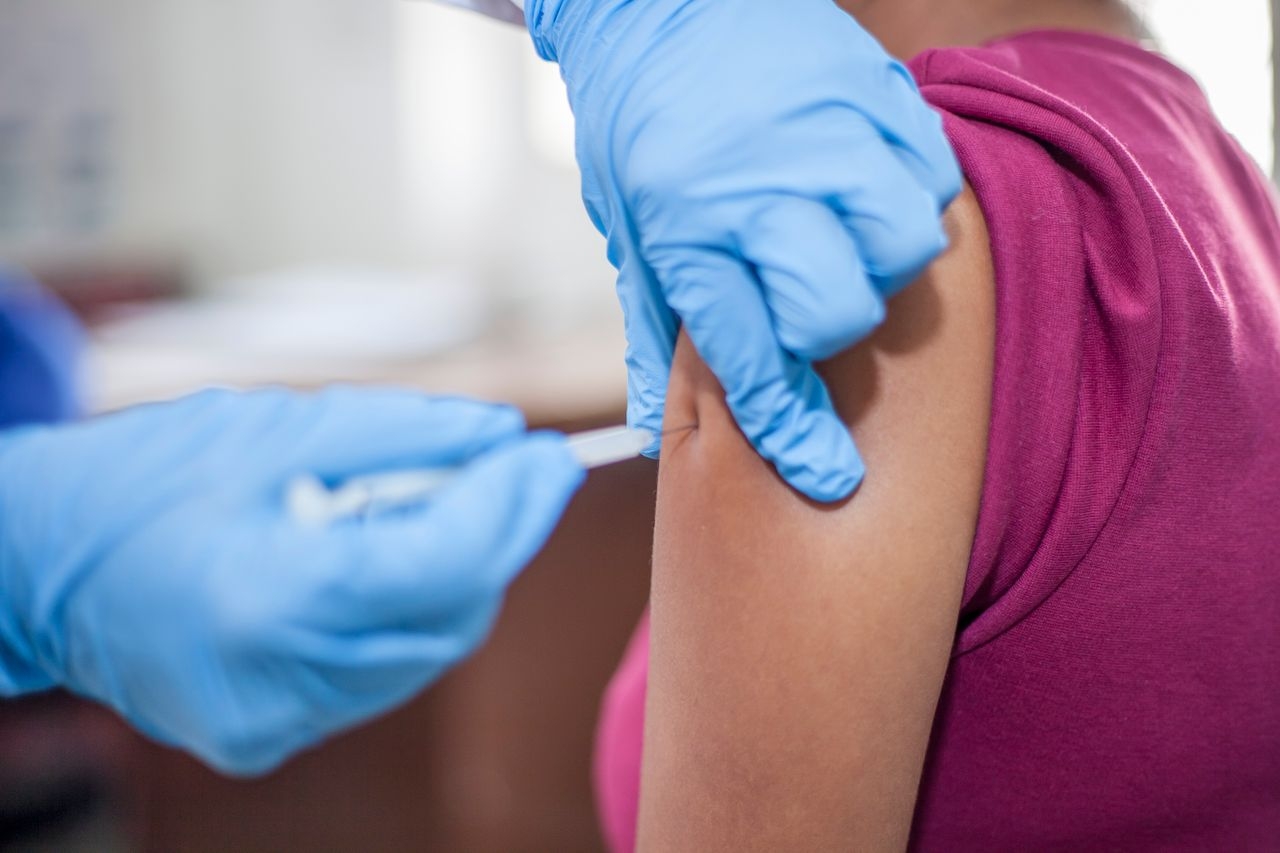
A sore arm after a vaccination is common. Shoulder pain that does not improve, limits your movement, wakes you at night, or makes ordinary activities difficult can be something different.
Perhaps you received a flu shot at a pharmacy, doctor's office, clinic, or workplace event. You expected some tenderness for a day or two. Instead, the pain continued. Now you may have difficulty lifting your arm, getting dressed, driving, sleeping on that side, carrying groceries, or doing your job.
Persistent shoulder problems that begin shortly after a vaccination can sometimes be associated with shoulder injury related to vaccine administration, or SIRVA.
SIRVA is different from the temporary soreness that commonly follows an injection. It is associated with the way a vaccine is administered and can result in significant shoulder pain and limited range of motion.
If you are experiencing ongoing shoulder problems after a vaccination in New Jersey, understanding that distinction can help you determine what to do next and whether a vaccine injury compensation claim may be available.
What Is SIRVA?
SIRVA stands for Shoulder Injury Related to Vaccine Administration. Rather than describing an ordinary reaction to the vaccine itself, SIRVA refers to an injury associated with the administration of a vaccine into the upper arm.
When an intramuscular vaccine is administered into the upper arm, unintended placement of the vaccine or trauma from the needle can affect structures around the shoulder joint rather than remaining limited to the deltoid muscle. The resulting inflammation can cause significant pain and loss of shoulder function.
Someone with SIRVA may experience persistent pain, inflammation, reduced range of motion, or difficulty using the affected shoulder normally. Depending on the injury, treatment can include medical evaluation, imaging, medication, physical therapy, injections, or other care.
When Is Shoulder Pain After a Vaccine More Concerning?
It is normal for the injection site to feel sore after many vaccinations. That soreness by itself does not mean that someone definitely has SIRVA.
A potential shoulder injury becomes more concerning when the symptoms are unusually severe, begin soon after vaccination, persist without resolving, or interfere with normal shoulder movement.
Signs that deserve medical attention can include:
- Significant shoulder pain beginning soon after the vaccination
- Pain that persists rather than steadily improving
- Difficulty lifting or raising the arm
- Reduced range of motion
- Difficulty using the shoulder normally
- Pain that interferes with sleep
- Difficulty dressing, driving, lifting, reaching, or performing other routine activities
- Continuing problems that require medical treatment or physical therapy
The timing of the symptoms can be particularly important in a vaccine injury claim. The federal Vaccine Injury Table currently recognizes SIRVA for certain covered vaccines when the applicable medical and timing requirements are satisfied. For a Table SIRVA claim involving a listed vaccine, shoulder pain must begin within 48 hours of administration.
For a Table SIRVA claim, other requirements also apply. The pain and reduced range of motion must affect the shoulder in which the vaccine was administered, and there must not be a prior shoulder condition or another medical problem that better explains the symptoms.
Not every shoulder problem after a vaccination will meet those requirements, however.
Medical evaluation and review of when the symptoms began, which shoulder received the injection, any prior shoulder problems, and the diagnosis and treatment can help determine whether the injury fits the Vaccine Injury Table's requirements for SIRVA.
Why SIRVA Can Affect More Than Your Shoulder
Shoulder pain and restricted movement can affect much more than comfort. When ordinary use of the arm becomes painful or limited, routine activities at home, work, and elsewhere can become more difficult.
The impact can be especially significant for someone whose job requires lifting, reaching, typing, driving, patient care, construction work, deliveries, repetitive movement, or other regular use of the arms.
Treatment can become another part of the disruption. Medical appointments, diagnostic testing, physical therapy, and ongoing limitations can add considerable stress to an injury that began with what was expected to be a routine vaccination.
How long the shoulder problems last can also be important because the VICP has a separate severity requirement for compensation.
Can SIRVA Qualify for Vaccine Injury Compensation?
Certain vaccine injuries are handled through the National Vaccine Injury Compensation Program, or VICP, rather than through an ordinary personal injury lawsuit.
The VICP is a federal no-fault program designed to resolve qualifying vaccine injury claims. Petitions are handled through the U.S. Court of Federal Claims under procedures that differ substantially from a typical state-court injury case.
SIRVA is currently included on the Vaccine Injury Table for certain vaccines covered by the VICP. When an injury satisfies the Table's applicable medical and timing requirements, the petitioner receives the benefit of the Table's presumption of causation for purposes of the VICP. That presumption can still be overcome by evidence that the injury resulted from factors unrelated to the vaccination.
If a covered vaccine is involved, an injury that does not satisfy the requirements for a Table injury can still be pursued as an off-Table claim, but the petitioner must establish that the vaccine caused or significantly aggravated the injury.
VICP claims also have a severity requirement. Generally, the effects of the injury must last for more than six months after the vaccination, result in inpatient hospitalization and surgical intervention, or result in death. For a SIRVA claim, that means looking at how long the shoulder symptoms and limitations lasted and whether the injury resulted in the hospitalization and surgical intervention required by the program.
There is also an important distinction involving COVID-19 vaccines. COVID-19 vaccine injury claims are generally handled through the separate Countermeasures Injury Compensation Program, or CICP, rather than through the VICP.
Determining which federal program applies is therefore an important first step in evaluating any vaccine injury claim.
What Evidence Can Matter in a SIRVA Claim?
The details surrounding the vaccination and the development of your symptoms can become important evidence.
If you believe you developed SIRVA, records that can help establish what happened may include information showing:
- The date of your vaccination
- The vaccine you received
- Where the vaccine was administered
- Which arm received the injection
- When your shoulder pain began
- How your symptoms developed after the vaccination
- When you first sought medical treatment
- What diagnoses and treatment you received
- Whether you had shoulder problems before the vaccination
- How your injury affected your ability to work or perform ordinary activities
Medical records are particularly important because a vaccine injury case often depends on establishing a clear timeline between the vaccination, the onset of symptoms, and the medical condition that followed.
That is one reason it is helpful to describe the history accurately when speaking with your doctors. If your shoulder began hurting shortly after vaccination, tell your medical provider when the injection occurred and when you first noticed the symptoms.
A SIRVA Claim Is Different From an Ordinary Injury Case
A vaccine injury claim does not turn solely on whether shoulder pain began after vaccination. The VICP has specific requirements for determining whether an injury qualifies for compensation.
For a SIRVA claim, factors such as the type of vaccine, timing of the symptoms, prior shoulder history, medical evidence, and duration and severity of the injury can all affect the evaluation of the claim.
What Should You Do if You Suspect SIRVA?
If significant shoulder pain begins after a vaccination, your health should come first.
Seek appropriate medical care and explain clearly that the symptoms began after you received a vaccine. Give your provider an accurate timeline of when the vaccination occurred and when you first noticed pain or restricted movement.
You should also preserve records related to both the vaccination and the injury. That can include vaccination documentation, pharmacy or medical records, appointment summaries, imaging reports, physical therapy records, bills, and records showing any work restrictions.
It can also be useful to keep track of how the shoulder problem affects your daily activities. Details that seem routine today may help provide a clearer picture of the injury later.
Consider speaking with a lawyer familiar with the Vaccine Injury Compensation Program. VICP injury petitions are generally subject to a three-year filing deadline measured from the first symptom or manifestation of onset or significant aggravation of the injury. Because vaccine claims follow a specialized federal process, understanding which program applies, what evidence is necessary, and what deadlines apply can help you make informed decisions.
Shoulder Pain After a Vaccine in New Jersey? Learn Whether SIRVA Compensation May Be Available
If your shoulder is still painful long after you expected routine post-vaccination soreness to disappear, you do not have to guess about what the symptoms mean or whether you have options.
At the Vaccine Injury Help Center by Sadaka Law, vaccine injury cases are a central focus of our practice. We represent people in New Jersey and nationwide who are navigating the specialized federal process for vaccine injury claims.
We understand that these cases involve more than forms and filing requirements. They involve medical records, scientific evidence, questions about causation, and real people trying to understand why their health changed after what should have been a routine medical event.
If you developed significant shoulder pain or limited range of motion after receiving a vaccine, we can review your vaccination and medical timeline, explain which compensation program may apply, and help you understand your options.
Contact the Vaccine Injury Help Center for a free case review and learn whether your shoulder injury may qualify for compensation.
Disclaimer: The articles on this blog are for informational purposes only and are not a substitute for legal advice or an attorney-client relationship. If you are seeking legal advice about your individual circumstances, please contact our law firm directly.