What Is the Human Papilloma Virus (HPV) Vaccine?
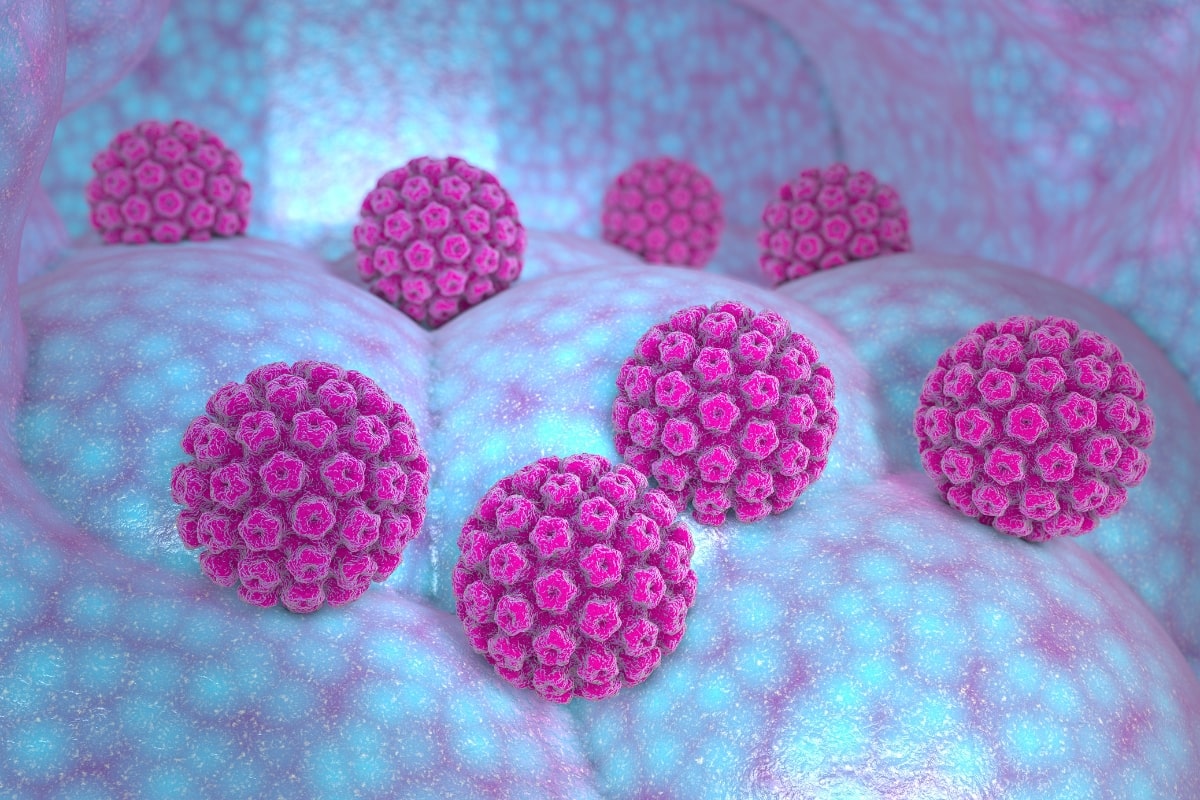
The human papillomavirus, or HPV, is a virus that can cause genital warts, lesions, and several types of cancer. HPV most commonly spreads through sexual intercourse, and HPV skin infections in the genital area are the most common sexually transmitted infections worldwide.
Since 2006, an HPV vaccine has been available to prevent these serious conditions, but some vaccine users have reported other symptoms they believe are linked to the vaccine.
How Do You Get Infected With HPV?
As stated earlier, HPV spreads primarily through sexual intercourse, whether vaginal, oral, or anal. An infected person showing no signs or symptoms can still pass this virus to their sexual partners. Approximately 60 types of HPV can infect the mucous membranes of the anus and genital regions.
A less common infection pathway is pregnant women with genital warts caused by HPV transferring the virus to their baby. HPV warts are contagious so that they can spread to another person through direct contact. The virus can also spread indirectly if you touch something that has touched a wart.
HPV Symptoms
Genital Warts
Genital or anal warts are the easiest way to recognize an HPV infection. The HPV strains that cause genital warts differ from those that create warts for other body parts, like the inner thighs, hands, and feet.
Lesions
When an HPV infection persists, it can also result in the formation of lesions. Depending on the affected site, these lesions can increase a person’s chances of developing cancer of the vagina, vulva, cervix, anus, penis, throat, or mouth. HPV is linked with 60% to 90% of all cancer cases for these body parts.
Cancer
If left unchecked, both warts and lesions caused by HPV can develop into cancer. Several HPV types, including 16, 18, 31, and 41, are especially high-risk. Many studies link persistent infection with these strains of HPV to developing several cancers.
HPV types 16 and 18 account for 70% of all cervical cancer cases. Type 16, in particular, is the most likely to cause cancer, as it is present in 47% of reported cancer cases and in many vulvar, vaginal, penile, anal, head, and neck cancers.
What Is Gardasil?
When HPV attacks your body, your immune system responds by producing antibodies – which are proteins that help mark and target specific microorganisms for destruction. These antibodies stay in your body, lying dormant until the same virus enters your system. If you’re exposed to the same virus again, antibodies boost your immune system’s effectiveness, helping your body fight off the virus quicker and more easily.
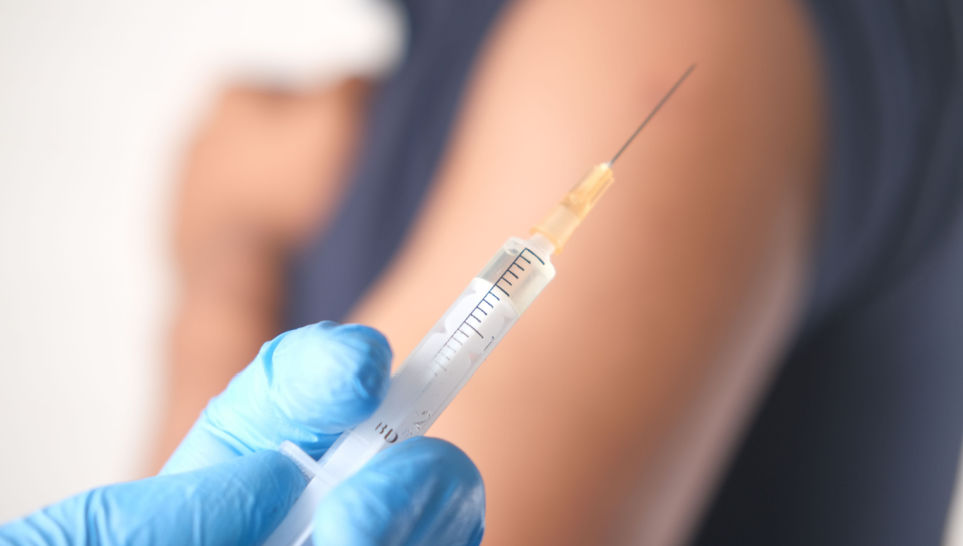
Vaccines like Gardasil are like a simulation for the body. The vaccine causes your immune system to produce antibodies without actually getting infected by the virus. That means that when you really get infected, your body is more prepared to eliminate the virus.
What Does Gardasil Protect Against?
The Gardasil vaccine acts as a defense against the initial infection from HPV types 5, 11, 16, and 18. As we’ve mentioned, the latter two cause the majority of HPV-associated cancer cases, while the former two cause 90% of genital warts. Gardasil 9 protects against HPV types 6, 11, 16, 18, 31, 33, 45, 52, and 58, the latter five of which cause up to 20% of all cervical cancers.
Since this vaccine is only a preventative measure, it can’t treat an HPV infection, nor can it protect from diseases caused by other types of HPV and other microorganisms.
Who Is the HPV Vaccine For?
Gardasil is a vaccine injection meant for people between the ages of 9 and 45. For girls and women, it’s intended to help prevent the following diseases caused by HPV:
- Genital warts
- Precancerous lesions
- Cervical cancer
- Vulvar and vaginal cancers
- Anal cancer
For boys and men, it is meant to prevent:
- Anal cancer
- Genital warts
- Precancerous anal lesions
Who Shouldn’t Take This Vaccine?
Merck, the manufacturer of the HPV vaccine, advises people with the following conditions against getting Gardasil:
- Allergic reaction to a Gardasil dose
- Allergic reaction to amorphous aluminum hydroxyphosphate sulfate (AAHS), polysorbate 80, and yeast
The company also recommends these individuals consult with a medical professional first before getting Gardasil:
- Pregnant women or those planning to get pregnant
- Immune-compromised individuals (those with severe illnesses or anyone taking medication that affects the immune system)
- Anyone with a fever over 100°F
History of the HPV Vaccine
Gardasil
Researchers at the University of Queensland Australia began developing Gardasil in 1991 when they managed to produce a non-infectious virus-like particle (or VLP) that activated the immune system and encouraged the production of antibodies. The scientists worked with other professionals from Georgetown University Medical Center, the UC National Cancer Institute, and the University of Rochester to create the final form of the HPV vaccine.
After that, Gardasil was on a fast track for approval. The US Food and Drug Administration (FDA) approved Gardasil for medical use in 2006, mainly for females between 9 and 26. In 2007, the Advisory Committee on Immunization Practices (ACIP) recommended the routine vaccination of Gardasil for 11- and 12-year-old girls. In 2009, ACIP recommended both males and females get vaccinated before adolescence and the start of potential sexual activity.
By 2011, 120 other countries had approved the use of Gardasil.
Gardasil 9
In 2014, the US FDA approved the use of Gardasil 9, an improved version of the original vaccine that protects against additional types of HPV. The US discontinued the use of the original Gardasil in 2016. By 2018, the FDA expanded the approved age range for Gardasil 9 to males and females between 9 and 45 years old.
The Gardasil Controversy
A Hastened Approval Process?
The Vaccine and Related Biological Products Advisory Committee (VRBPAC) under the FDA evaluates vaccines for their effectiveness and safety. However, in 2000, the US House of Representatives Reform Committee discovered that the majority of VRBPAC’s members, both consultants and those with voting powers, had significant ties to the pharmaceutical industry.
The committee many cases with potential conflicts of interest. For instance, VRBPAC approved a vaccine where 3/5ths of its members had financial ties with the pharmaceutical companies in question.
Flawed Placebo
During Gardasil’s trial phase, Merck, the pharmaceutical company that planned to produce the vaccine, compared the test subjects who took the vaccine and ones who took a placebo. Experts from the World Health Organization (WHO) and other regulatory bodies note that trial testing for new vaccines should use an inert placebo – in other words, a placebo that doesn’t produce a reaction.
However, Merck’s trials used a placebo mixed with AAHS, a substance that many studies find potentially dangerous. As a result, the average number of subjects from both groups that experienced adverse reactions was almost the same. This outcome encouraged the idea that Gardasil is as safe as the placebo used.
None of the clinical trials conducted used an inert placebo, such as saline. Multiple subjects from both trial groups developed many medical conditions, which we’ll discuss more in detail below.
Unreported Adverse Reactions
Merck also didn’t report numerous adverse reactions as side effects of the vaccine. Instead, they categorized these symptoms as “new conditions” that were entirely unrelated to Gardasil. Nearly half of the study’s participants developed a “new condition.” These conditions included autoimmune, musculoskeletal, and neurological illnesses.
In 2018, researchers studied Merck’s findings and reported that a third of Gardasil trial results weren’t published. This report gives rise to the possibility of publishing bias, where researchers only publish positive findings and don’t mention negative results.
Other Trial Flaws
Multiple experts from the medical industry raised concerns about Merck’s flawed testing and analysis. Several published works from medical professionals outlined these deficiencies, which include:
- The majority of the participants in one trial didn’t receive “report cards” that investigators use to check for participants’ adverse reactions after the trial
- Some reports of adverse reactions didn’t receive a follow-up
- Medical records were not reviewed
- The participants were incorrectly told that the placebo was only a saline solution and that the vaccine was already proven to be safe
- Women with nervous system and/or immunological disorders were excluded from testing.
Gardasil Vaccine Side Effects
Like most vaccines, people being given the Gardasil HPV vaccine have a small chance of developing mild to moderate side effects, which include:
- Upper respiratory tract infection
- Upper abdominal pain
- Pain in the throat, tonsils, and tongue
- Hematoma, or blood collecting outside of blood vessels
- Induration, or the hardening of soft tissue in the body
- Skin redness
- Swelling
- Diarrhea
- Itching
- Bruising
- Nausea
- Fatigue
- Muscle aches
- Fainting
- Fever
- Pain
Potential Injuries and Long-Term Conditions Related to the HPV Vaccine
Arrhythmia
Arrhythmia, or irregular heartbeat, can become life-threatening when left untreated. A well-known Gardasil lawsuit involves a young student who died unexpectedly in her New York home shared by classmates from Bard College. Christina Tarsell was a 21-year-old athlete who played both softball and tennis.
Christina’s mother, Emily Tarsell, pursued legal action against the Department of Health and Human Services (HHS) when doctors who evaluated the case determined Gardasil vaccination was the cause of death. The vaccine created an autoimmune response, which resulted in arrhythmia.
Because the National Vaccine Injury Compensation Program (VICP) covers the vaccine, any victim of HPV/Gardasil Vaccine injury needs to file a claim with them first before filing a Gardasil lawsuit against Merck.
Even though Christina Tarsell died in 2008, it was only in 2018 that the VICP ruled her cause of death as an arrhythmia induced by Gardasil.
Postural Orthostatic Tachycardia Syndrome (POTS) and Complex Regional Pain Syndrome (CRPS)
A 2017 study from the WHO found numerous adverse symptoms related to POTS and CRPS. The latter causes chronic pain that often manifests in the arms and legs, while the former is a condition that affects blood circulation. POTS symptoms include:
- Abnormal blood pressure levels
- Temperature deregulation
- Abnormal heart rate
- Abdominal pain
- Nervousness
- Chest pain
- Dizziness
- Fainting
- Fatigue
By 2018, the WHO’s database had over 526 POTS cases and 168 CRPS cases linked to HPV vaccines.
Autoimmune Vasculopathy
A published study from 2012 reports that HPV vaccines that contain HPV-16L1 antigens like Gardasil can trigger autoimmune vasculopathy after studying two cases of HPV vaccine deaths. This condition is an autoimmune reaction that affects the blood vessels. Symptoms include:
- General aches
- Night sweats
- Headache
- Weight loss
- Fatigue
- Fever
Septic Shock
Septic shock is a medical condition that occurs when sepsis (organ damage due to an infection) leads to low blood pressure and cellular metabolism abnormalities. When left untreated, this condition can be potentially fatal.
A notable report from the Freedom of Information listing describes an 11-year-old girl who received Gardasil 9, diphtheria, pertussis, and tetanus (DTP) vaccine, a meningococcal vaccine, and a flu vaccine. Four days after her vaccinations, she was admitted to a hospital’s emergency department for septic shock and respiratory distress and died the same day.
Immune Thrombocytopenic Purpura (ITP)
ITP is a blood disorder that reduces your blood’s platelet count. Platelets are cells that stop bleeding, and a severe reduction in these cells can cause bruising, bleeding gums, and even internal bleeding.
Merck admits the possibility that a non-specific immune stimulus like a vaccine can cause ITP for susceptible people. Still, they insist that the evidence is not enough to infer Gardasil as a cause of ITP.
Neurodegenerative Disorders
Several girls and younger women developed neurodegenerative conditions after Gardasil vaccinations. By 2015, the FDA received over 35,000 “adverse event” reports that implicate the vaccine. Two hundred of these reports even concerned Gardasil deaths. While these findings should never be substituted for data under controlled conditions, they remain noteworthy.
Other potential injuries and long-term medical conditions caused by Gardasil vaccinations include:
- Nervous system disorders like Guillain-Barré syndrome, transverse myelitis, acute disseminated encephalomyelitis, paralysis, motor neuron disease, and seizures
- Respiratory, thoracic, and mediastinal disorders like pulmonary embolus and asthmatic crisis
- Musculoskeletal and connective tissue disorders like myalgia and arthralgia
- Vascular disorders like deep venous thrombosis
- Gastrointestinal disorders like pancreatitis
- Autoimmune hemolytic anemia
- Immune system disorders like bronchospasm
- Lymphadenopathy
- Cellulitis, a bacterial skin infection
What Is the National Vaccine Injury Compensation Program (VICP)?
The US Department of Health and Human Services (HHS) set up this program in 1998 to compensate both individuals and families of individuals who suffered an injury from one of their covered vaccines.
Since its inception, over 22,507 individuals have filed for compensation. Over these three decades, the VICP has adjudicated 19,356, compensated 7,666, and dismissed 11,690 of these cases. The program has paid approximately $4.4 billion for the compensated cases.
As of November 2020, there are 441 registered claims for Gardasil, including 426 for injuries and 15 for deaths after an HPV vaccination. Of these claims, the VICP has compensated 134.
FAQ
Is Gardasil Effective?
The clinical trials that lead to Gardasil 9’s approval found almost 100% effectiveness in preventing vaginal, vulvar, and cervical disease caused by several HPV types. However, evidence outside of trials might be harder to produce.
The target age for the vaccine’s inoculation is between 11 and 12 years old, but cervical cancer’s median age of death in the US is 58, and the death rate is approximately 2.3 per 100,000. So it would take between 15 to 30 years for HPV infections to manifest into cancer.
The low death rates, coupled with the decades required for cancer to develop, make it difficult for studies to produce statistically significant results that conclusively show the vaccine’s effectiveness.
With that said, the current research is promising. One 2019 meta-analysis of HPV vaccine programs for girls that includes over 60 million people in 13 countries shows positive evidence of Gardasil’s effectiveness. The study compared the period before the vaccines started and the present:
- Eight years after the vaccinations began,HPV type 16 and 18 infections had gone down 83% among girls aged 15 to 19 and 66% among young women aged 20 to 24.
- Nine years after the vaccinations began,the number of anogenital wart diagnoses had gone down 67% among girls aged 15 to 19 and 54% among young women aged 20 to 24.
- The number of girls aged 15 to 19 and women aged 20 to 24 who developed precancerous lesions leading to cervical cancer decreased by 51% and 31%, respectively.
Is Gardasil Safe?
Gardasil’s ingredients have led to adverse reactions to certain people. A small but significant number of people have reported lasting conditions and symptoms after receiving the HPV vaccine.
Can Gardasil Cause Cancer?
Merck states that it has not evaluated Gardasil’s potential to cause genotoxicity and carcinogenicity. So far, no outside studies have shown conclusive proof that the Gardasil vaccine causes cancer.
If you’re concerned about side effects from the Gardasil HPV vaccine, don’t hesitate to contact our legal team at Sadaka Associates for help. Call our Vaccine Injury Hotline at 1-800-810-3457 or fill out the form below so we can provide a free review of your case.
CRPS AFTER HPV VACCINE
$162,056.50. total settlement for a 15 year old girl from Arizona who developed complex regional pain syndrome or CRPS as a result of the human papillomavirus or HPV vaccine.
ALOPECIA AFTER HPV VACCINES
$225,000 settlement for minor female who suffered from hair loss, seborrheic dermatitis, and alopecia totalis after receiving HPV vaccines
CRPS AFTER HPV VACCINE
$162,056 annuity contract settlement for minor female who suffered from complex regional pain syndrome (CRPS) after receiving an HPV vaccine
APLASTIC ANEMIA AFTER HPV VACCINE
$70,000 settlement for adult female who suffered from aplastic anemia after receiving an HPV vaccine
ALOPECIA AFTER HPV VACCINE
$50,000 settlement for minor female who suffered from alopecia after receiving an HPV vaccine
ARRYTHMIA AFTER HPV VACCINE
$310,408.62 total settlement from vaccine-related death and pain and suffering compensation for a 21 year old woman from Maryland who developed arrhythmia induced by autoantibodies as a result of the human papillomavirus or HPV vaccine and caused her to die suddenly and unexpectedly.
EPSTEIN BARR VIRUS INFECTION AFTER HPV VACCINE
$70,000.00 settlement for a 19 year old woman from Oregon who developed a reactivated Epstein Barr virus infection and aplastic anemia as a result of the human papillomavirus or HPV.
HODGKIN’S LYMPHOMA AFTER MULTIPLE VACCINES
$25,000.00 settlement for a 17 year old NY girl who developed Hodgkin’s Lymphoma or HL as a result of the human papillomavirus or HPV vaccine, tetanus-diphtheria-acellular pertussis or Tdap, and/or meningococcal vaccines.
ITP AFTER HPV VACCINE
$38,680.79 settlement for a 16 year old girl from North Carolina who developed immune thrombocytopenic purpura or ITP as a result of receiving the human papillomavirus or HPV vaccine.
AUTOIMMUNE HEPATITIS AFTER HPV VACCINE
$75,000.00 settlement for a 27 year old woman from Pennsylvania who developed autoimmune hepatitis which was either caused in fact by the human papillomavirus or HPV vaccine, or in the alternative, significantly aggravated by the HPV vaccine administered.
ALOPECIA AFTER FLU AND HPV VACCINES
$50,000.00 settlement for a 13 year old girl from New Jersey who developed alopecia as a result of receiving the influenza vaccine and Human Papillomavirus or HPV vaccine.
LUPUS AFTER HPV VACCINE
$180,690.73 total settlement which includes lifecare expenses for an active 13 year old girl from Georgia who developed Systemic Lupus Erythematosus or SLE and subsequent sequelae as a result of receiving human papillomavirus or HPV vaccinations.
COMPLETE HAIRLOSS AFTER HPV VACCINE
$225,000.00 settlement for a twelve year old girl who developed alopecia totalis, complete hair loss as a result of HPV vaccinations.
MULTIPLE INJURIES AFTER HPV VACCINE
$25,000.00 settlement for a 25 year old woman from Maryland who developed “polyarthritis, polyarthralgia pain syndrome, seronegative rheumatoid arthritis, hip impingement syndrome, acetabular labrum tear, and snapping hip syndrome” as a result of receiving the HPV vaccination.
ERYTHEMA MULTIFORME AFTER HPV VACCINE
$80,000.00 settlement for a young man from Texas who developed erythema multiforme, including ulcers, blisters and fatigue as a result of the receiving the human papillomavirus or HPV vaccine.
SJORGEN SYNDROME AND LUPUS AFTER HPV AND MENINGOCOCCAL VACCINE
$30,000.00 settlement for a 19 year old woman from Texas who developed Sjogren’s syndrome and/or Lupus as a result of receiving the human papillomavirus or HPV vaccine and/or the meningococcal vaccine.
DEATH FROM CARDIAC ARRHYTHMIA AFTER HPV VACCINE
$175,000.00 settlement for a 19 year old girl from Illinois who received human papillomavirus or HPV vaccine and developed cardiac arrhythmia, which sadly resulted in her death.