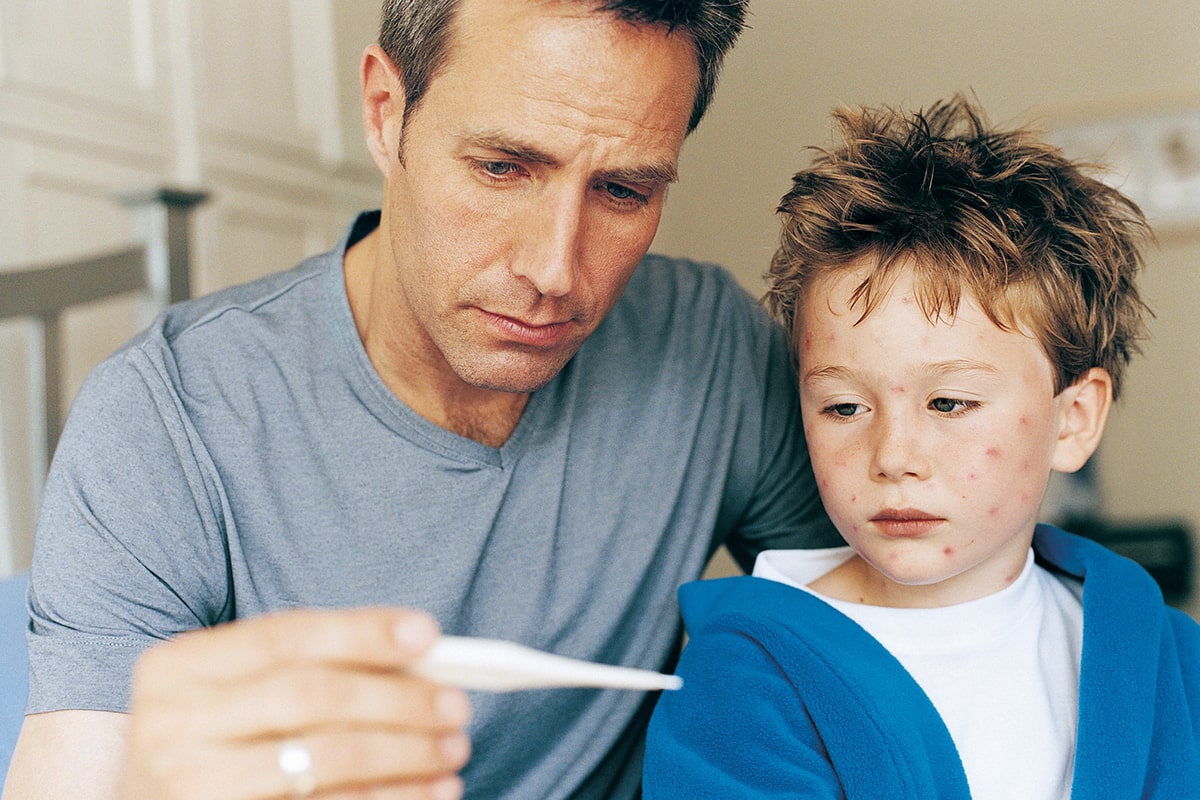
Varicella (also known as chickenpox) is one of the most prevalent and infectious childhood illnesses. Those infected can pass the virus on through the air or by contact with vesicular fluid. Chickenpox has a wide array of uncomfortable symptoms, including fever and itchy blisters erupting all over the body.
Although chickenpox can be unbearable, the virus seldom poses any severe health risks for children. Roughly 0.5% of cases require hospitalization. In the most severe cases, chickenpox can be deadly.
Since chickenpox is exceptionally contagious, schools require children to have a varicella vaccine. Chickenpox usually only occurs once, but the virus lives in the body throughout childhood and into adulthood. Certain conditions can trigger other illnesses, leading to detrimental health issues in adults, especially those with a weakened immune system.
Varicella Virus Overview
The incubation period of the varicella virus is roughly two weeks after exposure. Fever and discomfort are usually the first symptoms to occur. A few days after initial symptoms, rashes and blisters erupt throughout the body. However, many children don’t know they have the virus until the rashes and blisters occur.
After the breakout, the blisters can take seven to ten days to fully heal. Although chickenpox is relatively harmless in children, some people are prone to complications. Those at risk might require special treatment and medications to prevent any other diseases from occurring.
What is the Varicella Vaccine?
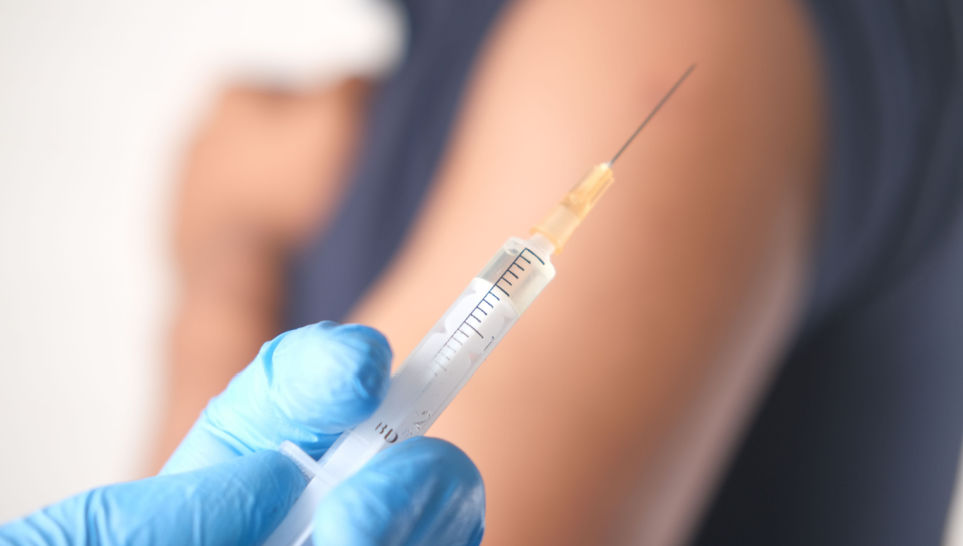
The varicella vaccine is a live vaccine, which uses a weak (attenuated) form of the varicella virus so your body can create a long-lasting immune response. When the attenuated virus enters your body via injection, your immune system develops antibodies that protect you from getting chickenpox.
History of the Chickenpox Vaccine
Before the end of the 19th century, people couldn’t distinguish the difference between smallpox and chickenpox. In 1875, Rudolf Steiner proved that chickenpox was the result of an infectious agent by injecting volunteers with fluids from infected vesicles.
Thomas Weller was the first person to separate varicella from vesicular fluid in 1954. About 20 years later, the first version of the varicella vaccine surfaced in Japan. By March 1995, the chickenpox vaccine was fully licensed in the United States. As a result, there’s been a significant drop in cases since the vaccine is now widely available worldwide.
Side Effects/Reactions
The varicella vaccine might come with adverse side effects. Some of the more common reactions are soreness around the injection area, mild fever, or a small rash. However, the chickenpox vaccine can cause some potentially dangerous side effects, such as:
- Sudden fainting
- Allergic reactions
- Virus reactivation
- Seizures
- Skin infections
- Joint inflammation
- Hepatitis
- Neurological reactions
- Pregnancy complications
- Death
Adults can also develop shingles later in life if they had the chickenpox vaccine as a child. Fortunately, most serious adverse effects are infrequent, but it might be wise for some patients to be cautious and consult a healthcare professional before getting a vaccine.
Who Should Not Get the Varicella Vaccine?
If you are currently ill, doctors recommend you wait until you’re healthy again before getting a chickenpox shot. Anyone who had an allergic reaction or experienced any adverse effects from their first shot shouldn’t receive a second shot.
Other people who should avoid getting the varicella vaccine are:
- Pregnant women
- Those with a gelatin allergy
- Those with a weak immune system
- Those who are taking steroids
- Those going through cancer treatments
- Those who’ve recently received a blood transfusion
- Those with a neomycin allergy
In most cases, your physician will postpone your vaccination if they notice anything that might cause the vaccine to jeopardize your health. If you are mildly sick or have a common cold, you can still receive the vaccine. The best way to know whether you should receive the varicella vaccine is to consult your doctor.
FAQs
How Do I Know if I Had the Chickenpox Vaccine as a Child?
To start, you can ask your parents whether you were vaccinated as a child. If that’s not an option, your doctor might have proof of vaccination in your medical records, so get in touch with your hospital.
How Effective is the Chickenpox Vaccine?
The chickenpox vaccine is highly effective in both children and adults. Clinical research shows that 85% of children are completely protected from the virus after a single dose. Those children who aren’t entirely protected by the vaccine should only see moderate symptoms from the virus, such as a mild fever or small rash.
How Long Does the Chickenpox Vaccine Last?
Research shows the protection period of the chickenpox vaccine is at least ten years. However, some people might become prone to infection after just a few years. Protection levels in healthy children are usually in the 10- to 20-year range.
Children with the most protection from the varicella virus receive a booster shot after four to five years after the initial injection. Other studies show that children who receive both doses of the vaccine are protected for life, assuming they don’t develop immune diseases later in life.
Can You Still Get Chickenpox After Being Vaccinated?
Most people who receive the chickenpox vaccine never develop chickenpox. However, since the vaccine contains a live form of the varicella virus, there’s a small chance you could become infected. With that in mind, those who do get infected after being vaccinated generally only see moderate symptoms.
Are You Still Contagious After Being Vaccinated?
Above, we mention how people who receive the chickenpox vaccine can still develop mild symptoms. However, these mild symptoms are still contagious. People who develop a rash from the varicella vaccine should follow the same protocol as those infected without vaccination.
How Long Are You Contagious With Chickenpox?
People can spread the virus within one to two days before a rash develops. The infected person is still considered contagious until all of the blisters heal. The same goes for vaccinated people.
What is the Vaccine Injury Compensation Program (VICP)?
The VICP is an organization that provides financial compensation for those injured as the result of a vaccine.
What to Do if You Experience a Chickenpox Vaccine Injury
Suppose you or a loved one begin to experience a varicella vaccine injury, such as hives, fever, difficulty breathing, or fainting. In that case, you might be at risk of developing potentially harmful side effects of the vaccine. We recommend that people experiencing such symptoms seek medical attention immediately and inform their doctor about their chickenpox vaccination.
People experiencing such adverse side effects might be eligible for compensation. The attorneys at the Sadaka Associates vaccine injury help center can give you information about what to do if you’re experiencing an injury due to a recent chickenpox vaccine.
Our vaccine lawyers represent several individuals throughout the United States. Our team has the resources and experience to handle comprehensive vaccine-related cases. The Vaccine Injury Fund will cover all of your legal expenses, and you won’t need to pay out any of your compensation awarded from your case.
If you or a family member is going through health complications related to a recent vaccine, the first step is to book a free case review with our office. We will go over all of the available options and will work hard to find a suitable route for your case.
ITP AFTER VARICELLA AND HEPATITIS A VACCINES
$75,000.00 settlement for a young girl from Florida who developed chronic idiopathic thrombocytopenic purpura or ITP as a result of receiving varicella and hepatitis A vaccines.